


SBW vs SVC Voltage Stabilizer: Which One Should You Source? (2026 Buyer's Guide)
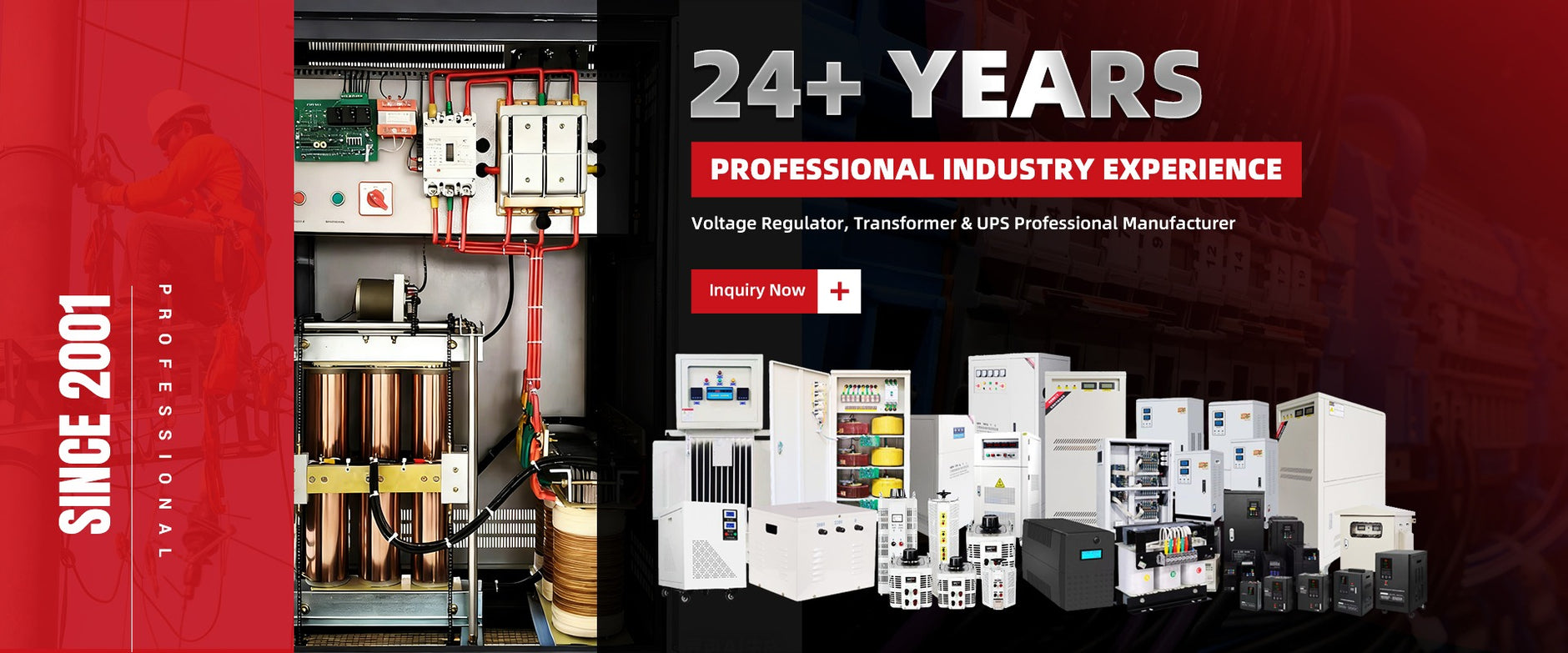
If you wholesale, distribute, or specify voltage stabilizers, two acronyms dominate every supplier catalog: SBW and SVC. They look similar, they both regulate AC voltage, and they are often priced in the same ballpark per kVA. Yet sourcing the wrong series for your market can mean overload failures, warranty claims, and lost repeat orders.
This guide breaks down the real engineering and commercial differences between SBW and SVC stabilizers—so your next purchase order matches your customers' load profiles, grid conditions, and budget. Written for B2B buyers and distributors by the KADQQ engineering team (24+ years, 100+ countries served).
1. SBW vs SVC: The Core Difference in 30 Seconds
Both SBW and SVC are servo-motor (electromechanical) AC voltage stabilizers. They use a carbon-brush mechanism riding on a toroidal variable transformer to physically adjust the output voltage. The difference is scale and construction:
- SVC Series — Typically a single carbon brush design, optimized for small-to-medium power. Our compact single-phase SVC servo stabilizer is the go-to for commercial and light-industrial use.
- SBW Series — Uses multiple carbon brushes in parallel to carry far higher current, built for large-power three-phase voltage stabilizers up to 250kVA and beyond. The standard choice for factories, mining, and weak/volatile regional grids.
The simplest rule of thumb: under ~30kVA, look at SVC first; at or above ~30kVA (especially three-phase), SBW is the safer specification.
2. The Buyer's Decision Tree
Use this flow to narrow down the right series in three questions—power requirement, phase, and load type:
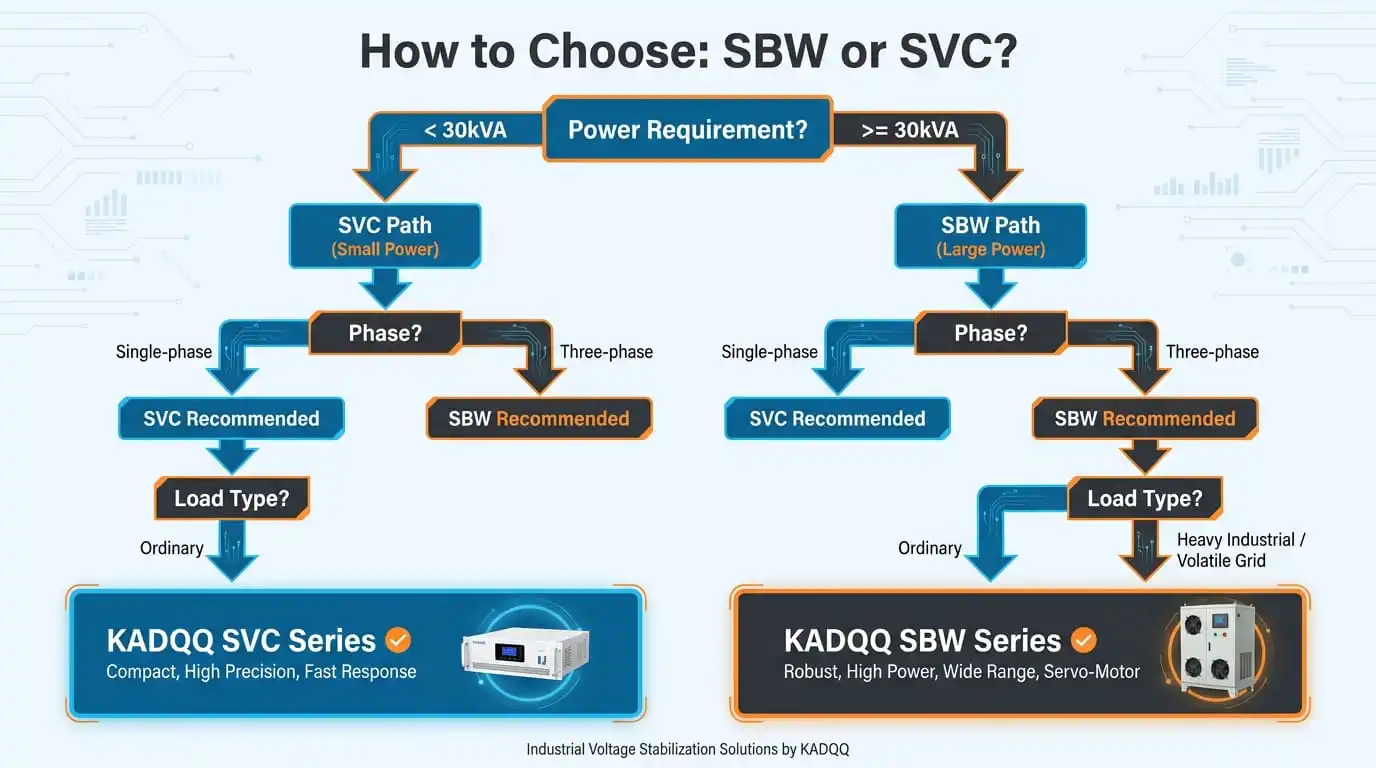
- Power requirement? Below 30kVA points toward SVC; 30kVA and above points toward SBW.
- Phase? Single-phase loads are usually SVC; heavy three-phase loads are usually SBW.
- Load type? Ordinary commercial loads are comfortable on SVC; heavy industrial machinery or a volatile grid demands SBW's higher current capacity and ruggedness.
3. Side-by-Side Spec Comparison
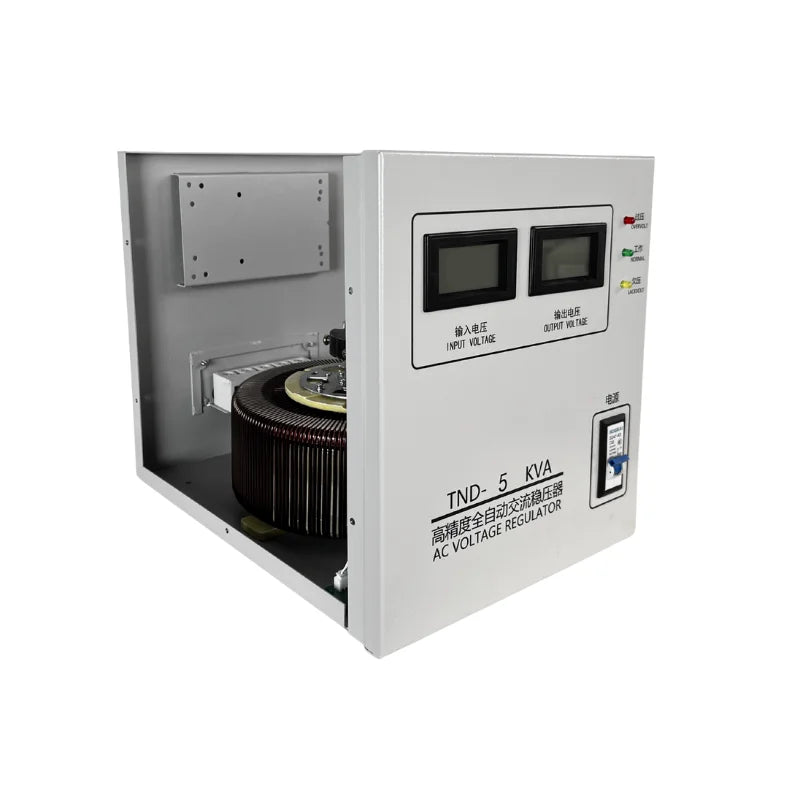
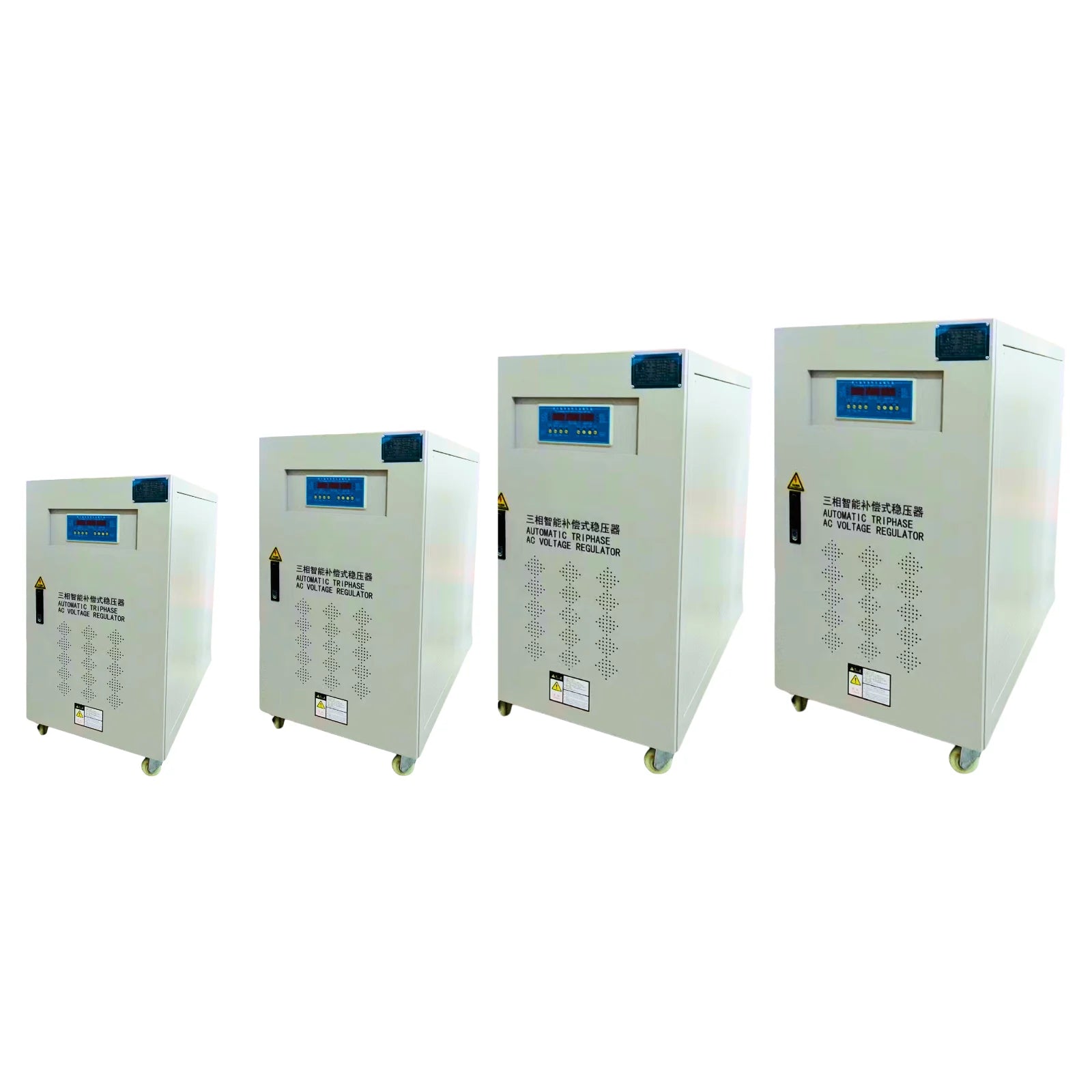
Below is the SVC servo stabilizer (left) and the SBW three-phase industrial cabinet series (right)—both built and shipped factory-direct by KADQQ:
Here is the full technical and commercial comparison your purchasing team can reference at a glance:
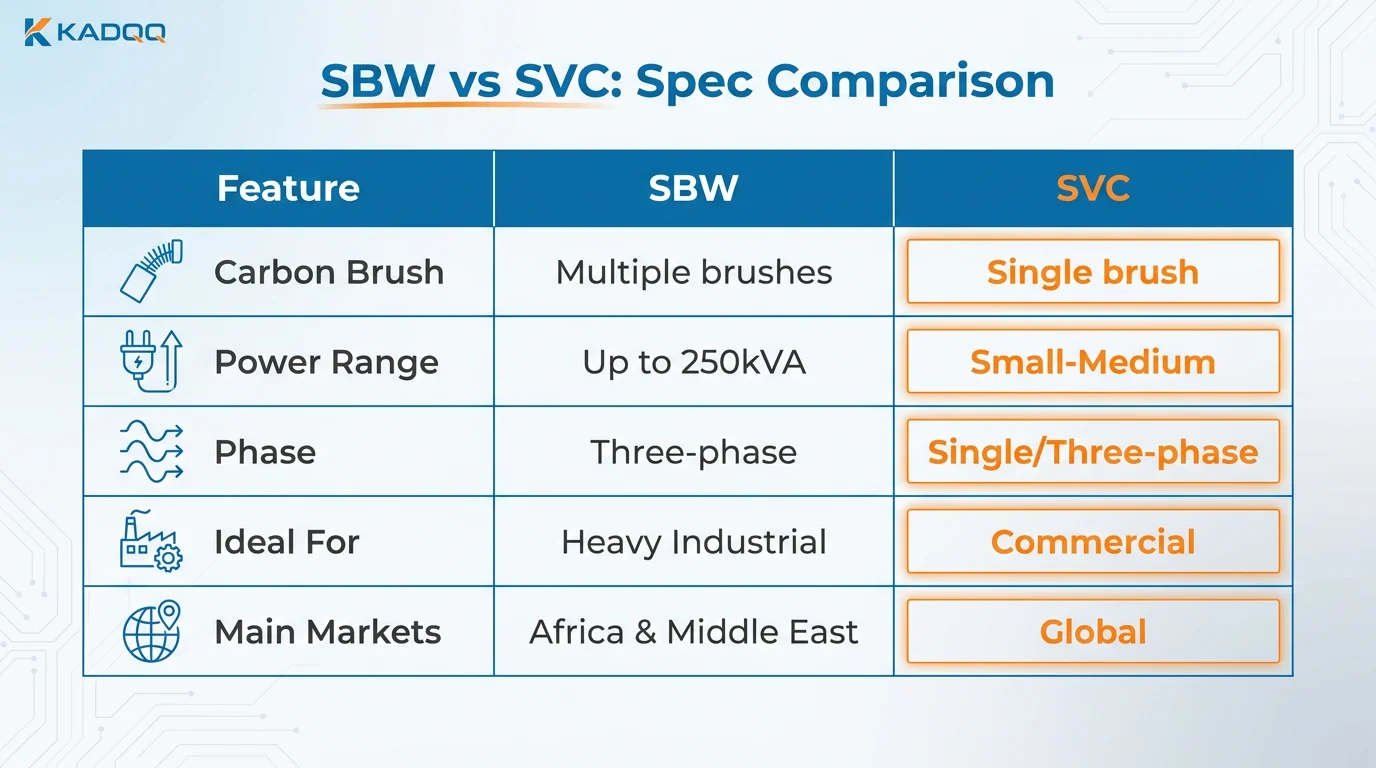
| Feature | SBW Series | SVC Series |
|---|---|---|
| Carbon Brush | Multiple brushes in parallel | Single brush |
| Power Range | Up to 250kVA+ | Small–Medium |
| Phase | Three-phase (separately regulating) | Single / Three-phase |
| Ideal For | Heavy industrial, mining, weak grids | Commercial, light-industrial, residential |
| Main Markets | Africa & Middle East | Global |
Key sourcing note: SBW's separately-regulating three-phase design means each phase is corrected independently—critical in regions where the three phases drift by different amounts (common across much of Africa, the Middle East, and South Asia). A standard SVC three-phase unit regulates all phases together and can leave one phase out of spec.
4. Which Series Wins Your Market?
Choose SVC when your customers need:
- Protection for offices, shops, medical equipment, CNC/light machinery, home appliances
- Single-phase or balanced three-phase loads under ~30kVA
- A compact, fast-response unit—our contactless voltage regulator range adds zero mechanical wear for the longest service life
Choose SBW when your customers need:
- Whole-factory, production-line, mining, or building-level power conditioning
- High-current three-phase loads from 30kVA up to 250kVA+
- Reliable correction on a weak or wildly fluctuating grid (90V–260V wide input)
5. Beyond the Series: How to Vet the Supplier
Whichever series you order, the build quality determines your warranty rate. Before you place a PO, confirm:
- 100% pure copper windings (not copper-clad aluminum)—superior conductivity, cooler running, 3× longer life.
- Certification: CE / ISO documentation and verifiable test reports.
- Factory capability: in-house winding, sheet-metal, and assembly lines—choose factory-direct industrial stabilizers, not a trading desk.
- MOQ & customization: OEM/ODM, custom logo and packaging—ideally from 1 unit for sampling.
KADQQ SBW & SVC Series — Factory Direct
From compact single-phase SVC units to 250kVA three-phase SBW stabilizers (CE certified, 98% efficiency, copper wound). OEM/ODM from 1 unit. Built in our 6,000㎡ facility with 12 assembly lines.
Browse Stabilizer Range →Get a Tailored Quote for Your Market
Tell us your customers' typical load, phase, and grid conditions—our engineers will recommend the exact SBW or SVC configuration and provide direct-from-factory wholesale pricing. We reply within 18 hours.
Need SBW or SVC Wholesale Pricing?
Single-phase SVC regulators or heavy-duty three-phase SBW stabilizers—our team supports OEM/ODM orders worldwide with samples from 1 unit.
Contact Our Engineers WhatsApp Chat